
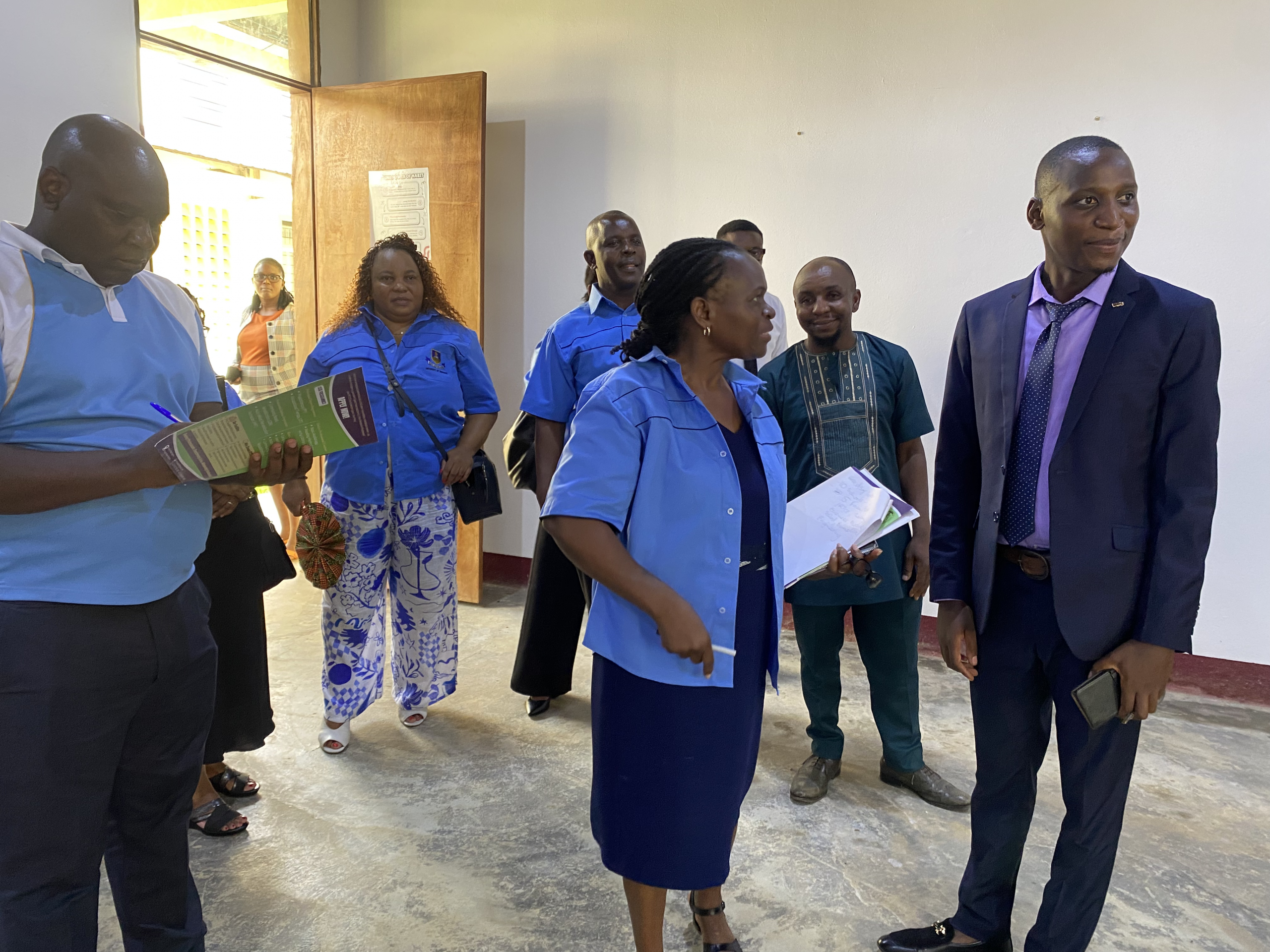
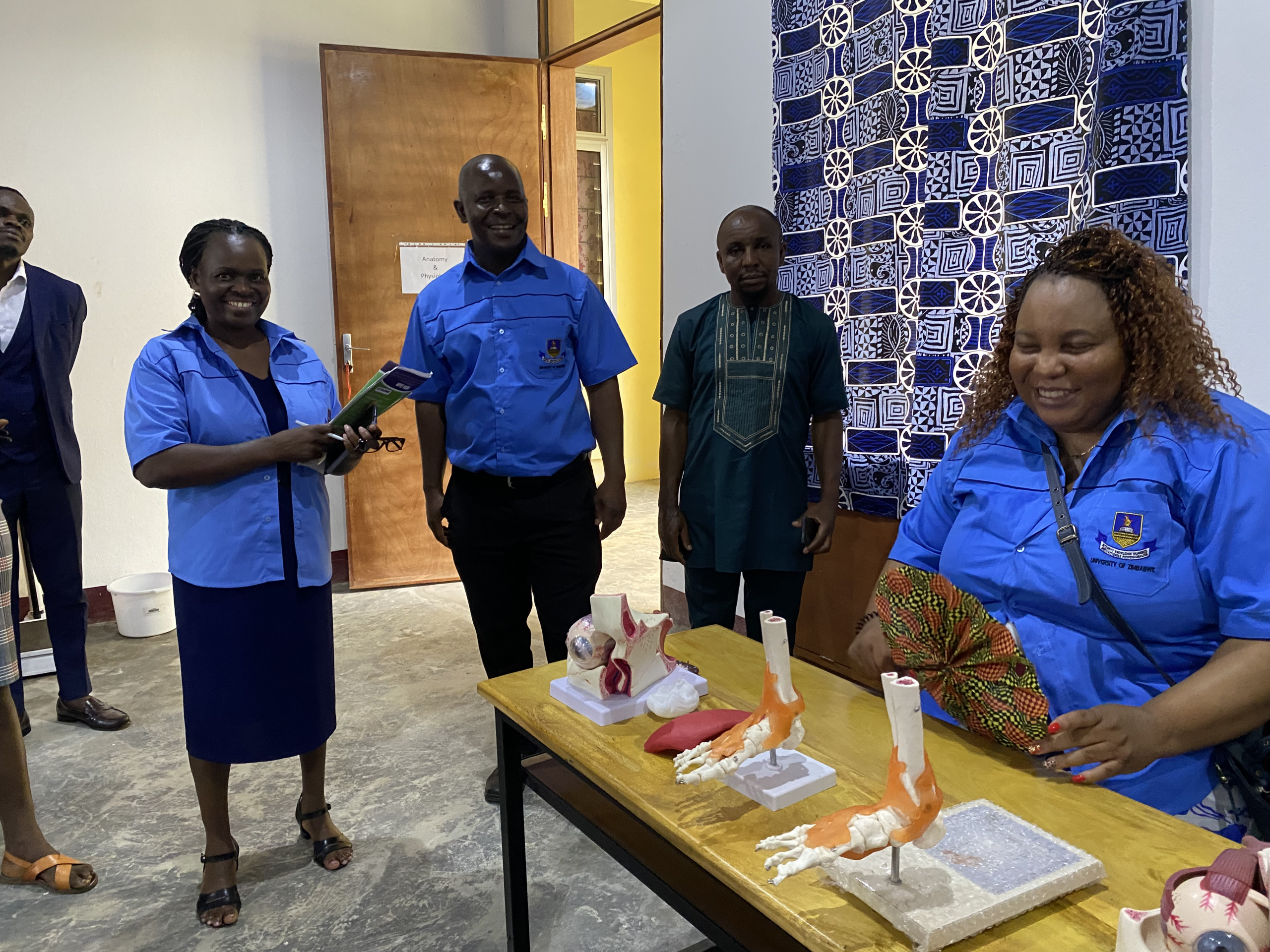
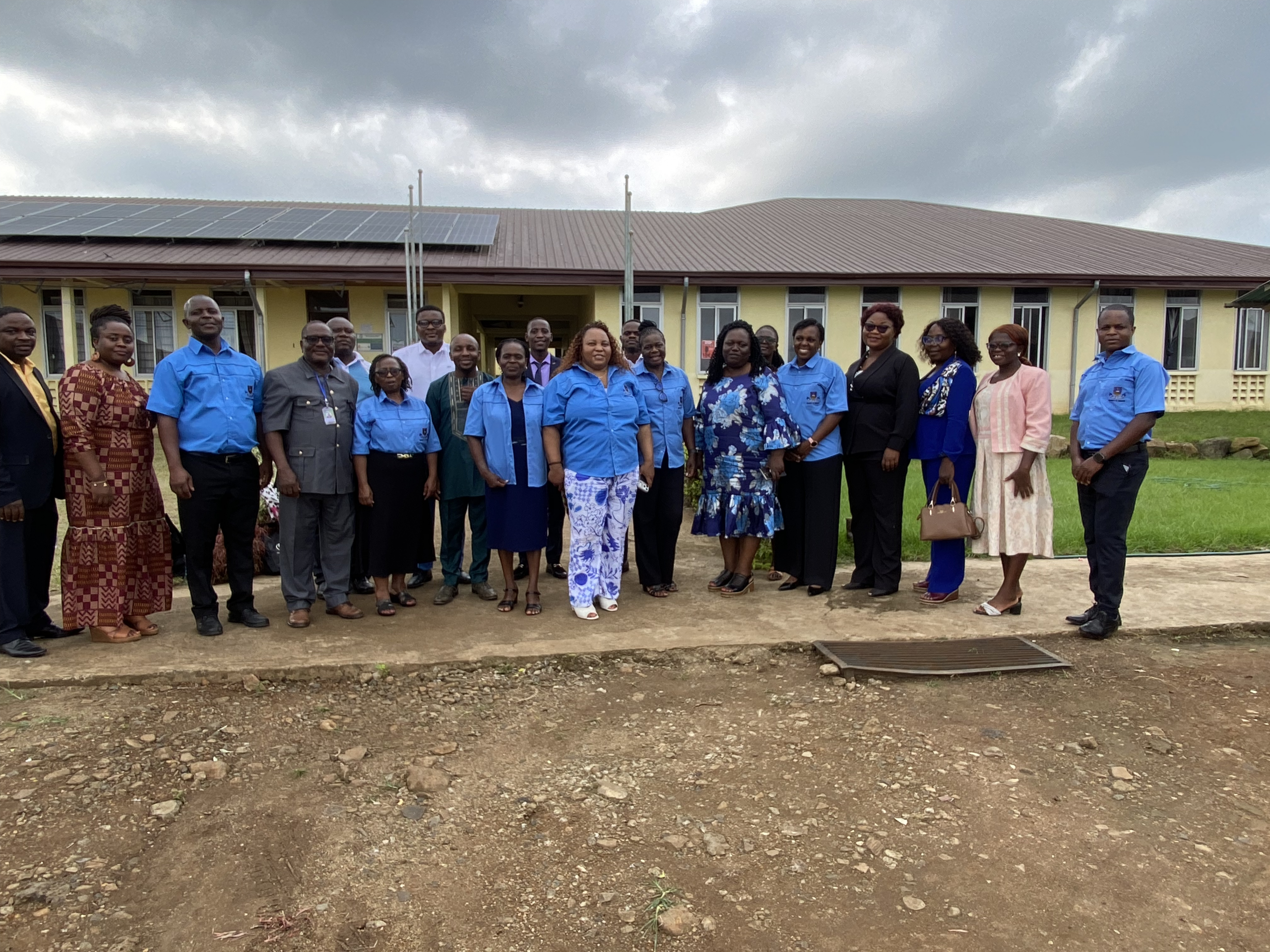
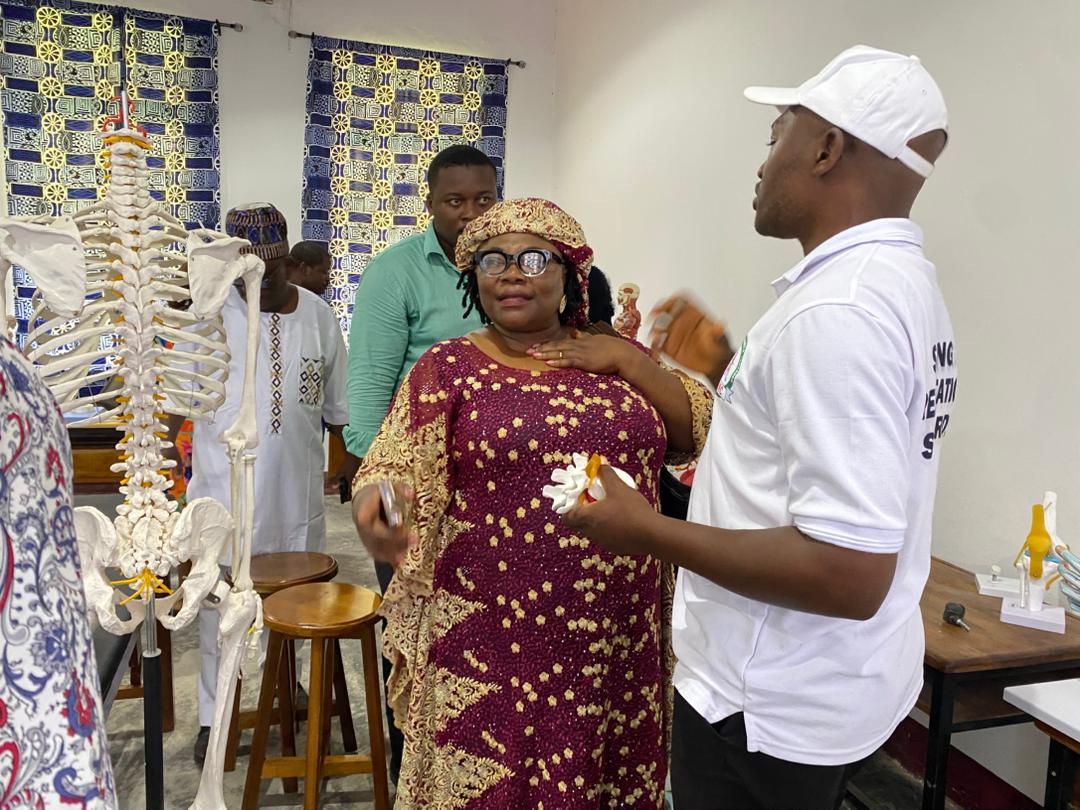
Between June 23rd and July 1st, 2026, BSPH/RTCE had the honor of hosting a distinguished delegation from the University of Zimbabwe (UZ). This visit marked a significant milestone in strengthening academic ties, enhancing institutional systems, and fostering holistic education across borders.
The delegation was composed of senior leaders whose expertise spanned academic affairs, quality assurance, medical sciences, rehabilitation, and examinations. Among the visiting members were Professor A. Mamvuto, Pro Vice Chancellor for Academic Affairs and Administration; Professor E. Chabata, Executive Director for Quality Assurance and Professional Development; Mrs. Doreen T. Tirivanhu, Acting Registrar; Dr. F. Makoni, Dean of the Faculty of Medicine and Health Sciences; Dr. T. Mlambo, Chairperson of the Department of Rehabilitation Sciences; Ms. R. A. Chigweremba, Coordinator of the Physiotherapy Unit; Mr. M. Mukova, Manager of Examination and Certification; Mr. J. Chigarisano, Manager of Programmes and Records; and Ms. Alice Masiya, Faculty Administrator in the Faculty of Medicine and Health Sciences.
Key Outcomes of the UZ and BSPH/RTCE Engagement
The purpose of the visit was threefold. The team assessed the progress made in infrastructure and systems development, ensuring that the foundations for academic delivery remained strong and sustainable. Furthermore, they also evaluated the implementation of the Memorandum of Agreement (MOA) between BSPH and UZ, identifying gaps and proposing practical strategies to address them. Finally, the visit provided an opportunity to explore new avenues of collaboration, highlighting areas of strength and identifying pathways for mutual growth in teaching, research, and professional development.
Discussions during the meeting revealed several priority areas. Quality assurance was a central theme, with emphasis placed on the use of logbooks, evaluation methods for teachers, and mechanisms to ensure academic integrity. Infact, these conversations were vital for aligning BSPH’s processes with international standards, thereby guaranteeing consistency and transparency. At the same time, examination policies were also highlighted, particularly the need to clarify the maximum number of resits and harmonize academic standards. This dialogue ensured fairness while maintaining rigorous expectations for student performance.
Rehabilitation sciences formed another critical point of reflection. The delegation provided guidance on how the Rehabilitation Board functions, including reviewing minutes and strengthening governance structures. This exchange helped BSPH/RTCE refine its rehabilitation sciences programs and align them with global best practices. Faculty development was equally emphasized, with both institutions committed to exploring strategies for enhancing professional growth, mentorship, and student empowerment. Capacity building workshops, exchange programs, and collaborative research opportunities were among the initiatives discussed.

Strengthening Institutional Ties Through Dialogue
To begin with, the meeting itself was highly productive. It brought together BSPH/RTCE leaders including Prof. Tih Pius, Board Chair; Dr. Nkuoh, Dean; Dr. Clara Limunga, Manager of RTCE; Dr. Rita Fubam, Registrar of BSPH; and the respective Heads of Departments. As a result, their collective input ensured that responsibilities for airport reception, lodging, feeding, and welfare were clearly assigned. Structured review sessions for the MOA were agreed upon, and priority areas for collaboration in rehabilitation sciences and quality assurance were identified. Ultimately, the meeting concluded with a shared commitment to measurable outcomes that would enhance institutional ties and foster holistic education.
Moreover, this visit was not merely an administrative exercise. It represented a milestone in advancing academic excellence, institutional resilience, and student-centered education. By fostering dialogue and collaboration, BSPH and UZ reaffirmed their shared vision of delivering impactful education that transcends borders. Consequently, the outcomes of this engagement are expected to shape the future of both institutions, creating opportunities for students, faculty, and administrators alike.


No responses yet