
Have you ever truly thought about the simple activities that make you, you? The morning routine of washing and dressing, the confident grip of a pen as you write, the shared joy of preparing a family meal. These are not just tasks—they are the invisible architecture of a meaningful life, the daily rhythms that give us purpose and connection. Now, imagine that architecture crumbling after an injury, an illness, or from the moment of birth. In Cameroon, for thousands of our brothers and sisters, this is a daily reality with almost nowhere to turn for help. This profound need is the very reason I chose to study Occupational Therapy.
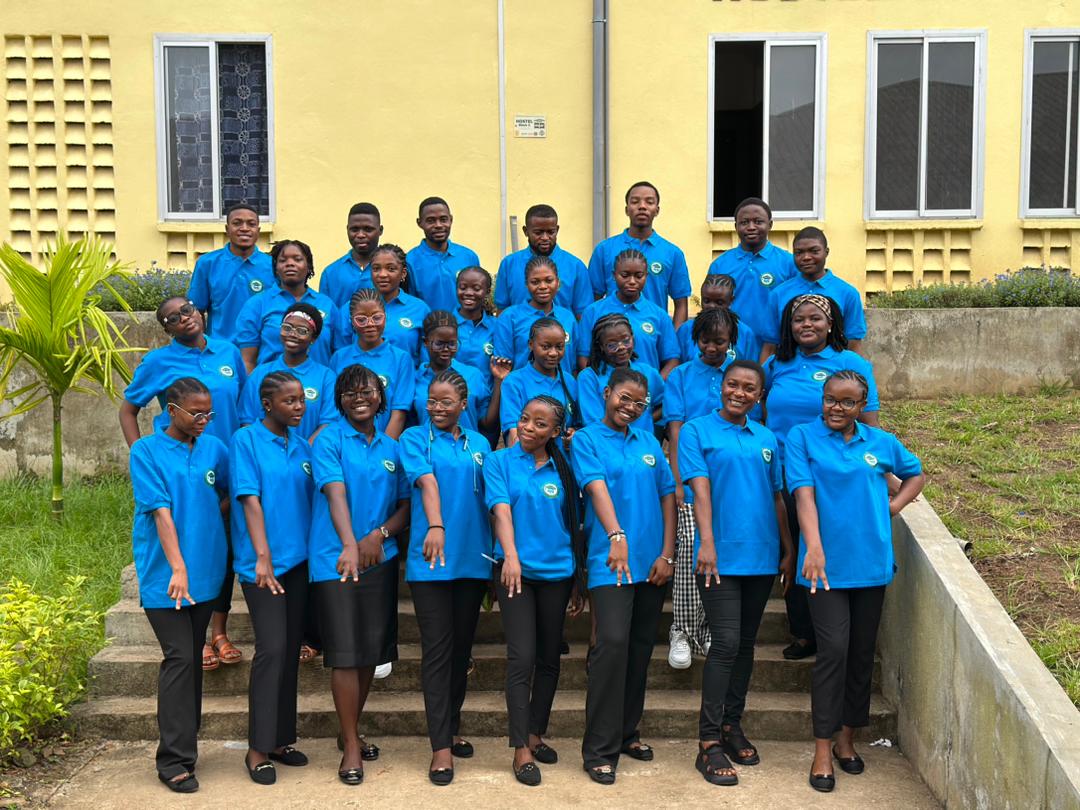
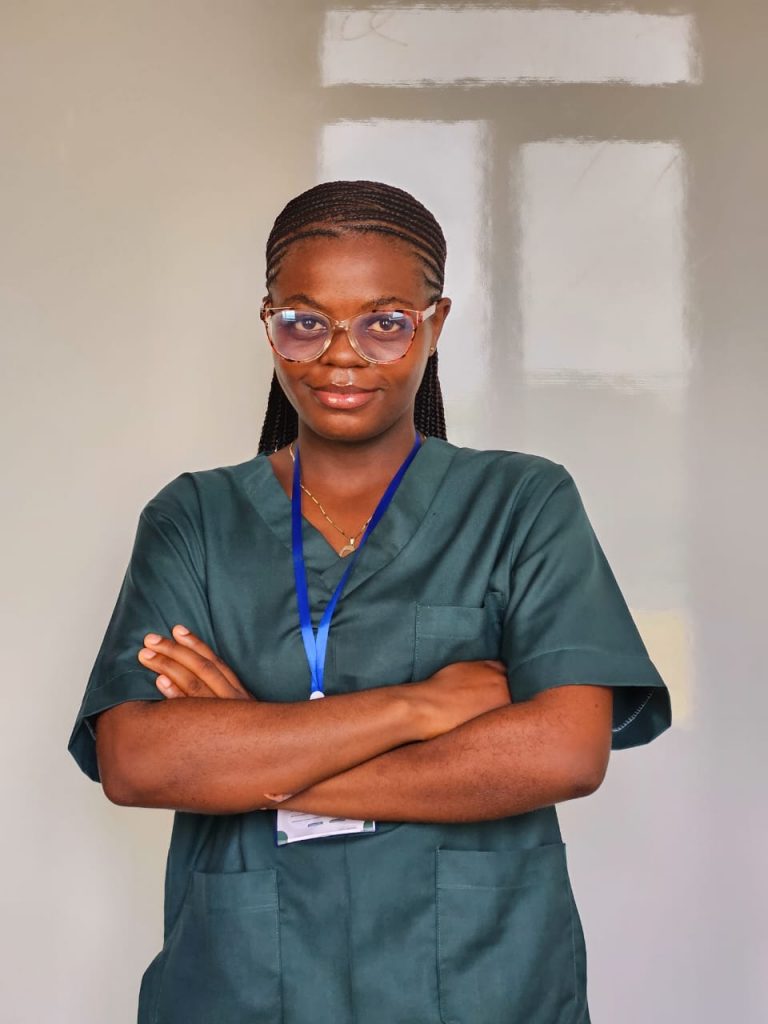
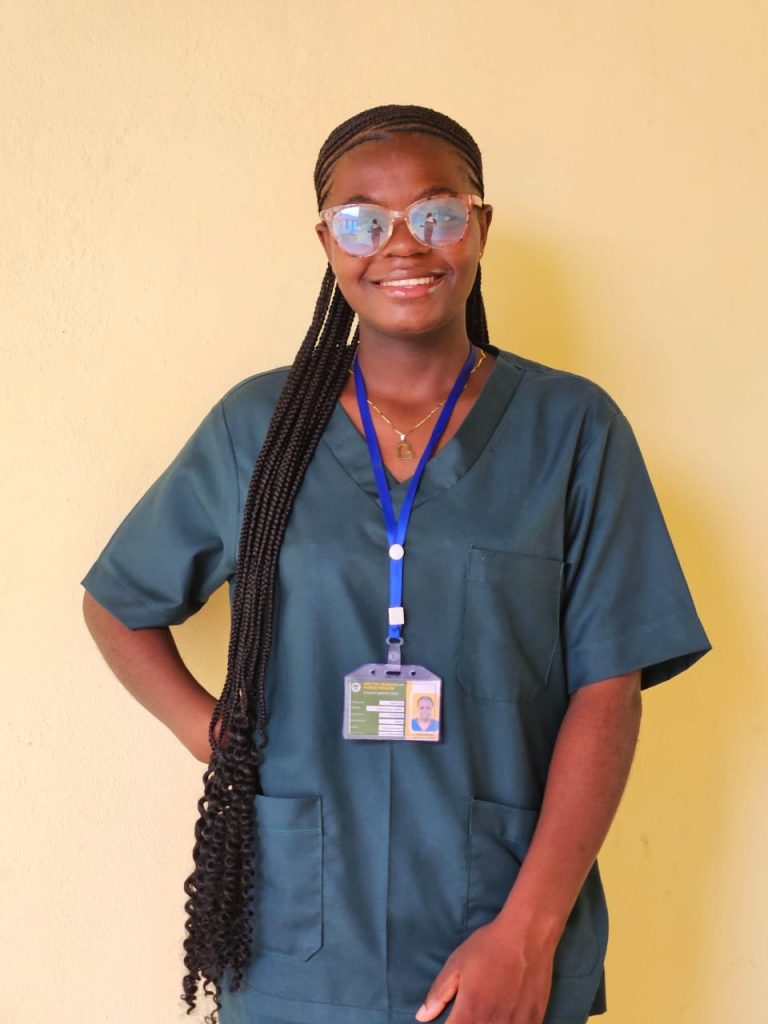
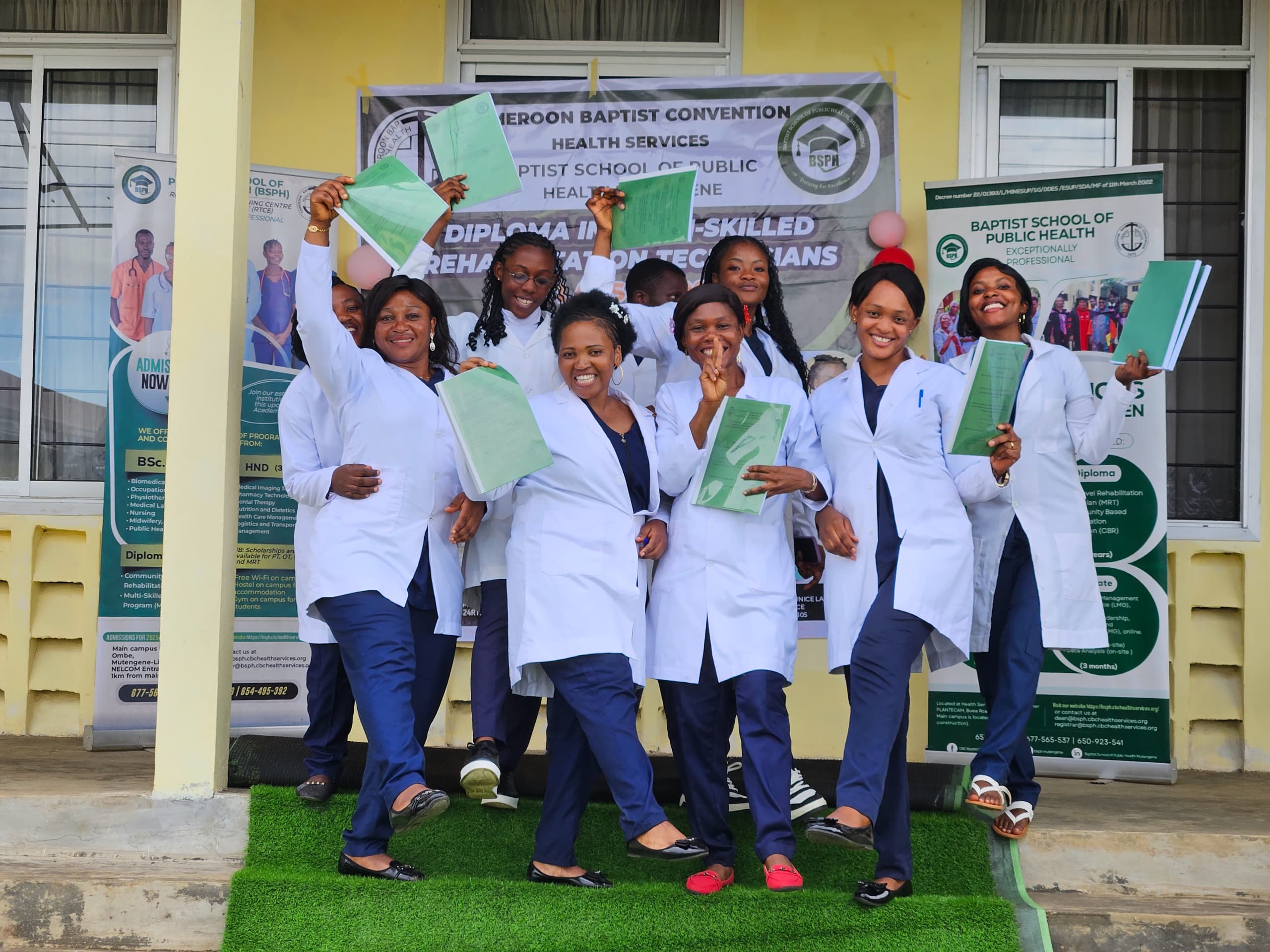
I am a Year One student at the Baptist School of Public Health, Rehabilitation Center for Excellence in Ombe—the only school in our entire nation training future professionals in this life-changing field. So, what exactly is OT? In simple terms, it is the powerful blend of science and art focused on helping people rebuild their worlds through purposeful activity. It’s not just about exercises for a weak hand; it is about helping a farmer grasp his hoe again so he can feed his family. It’s not just about calming a distressed child; it’s about unlocking their ability to play, learn, and make friends. OT looks beyond the diagnosis to the person, restoring their independence, dignity, and most importantly, their role in their family and community.
The potential for OT here in Cameroon is truly endless. Our country faces deep needs—from survivors of road accidents and strokes, to children born with disabilities, to our respected elders who wish to remain active at home. OT can be a quiet revolution in our healthcare system. It is practical care that meets people where they live, work, and dream. It uses what we have: local materials, deep cultural understanding, and the incredible resilience of our people. An OT therapist does not just give a person a device; they sit with them, listen, and co-create a new way for them to participate fully in their own life’s story.
Yet, here lies our painful and urgent reality. We, the students, are pioneers learning to fight a battle that is barely recognized. Our program is still tiny and new: just a small group in Level 300, a few more in Level 200, and my Level 100 class, which is the largest so far. And when we look up from our books and beyond our classroom walls, the professional landscape is almost empty. Astonishingly, there is only one fully practicing Occupational Therapist in the entire country. Just one. A few forward-thinking hospitals in places like Bamenda, Kumba, Mutengene, and Yaoundé are slowly opening their doors, but awareness and understanding remain scarce.
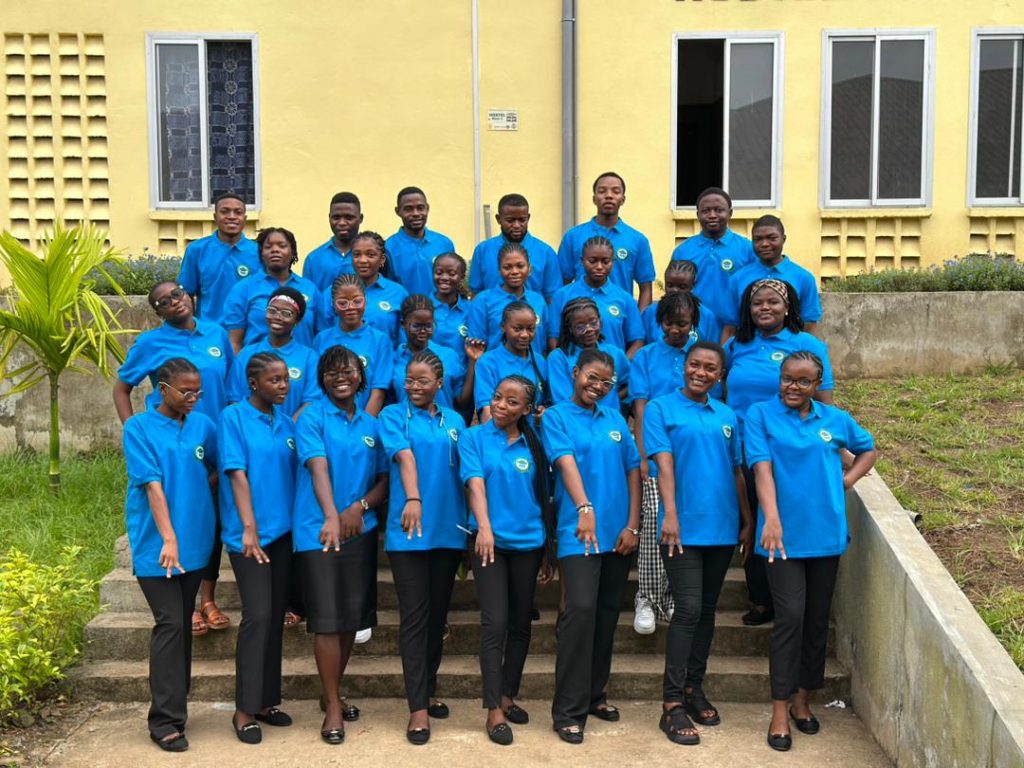
So, we study with a mix of fierce hope and a heavy, motivating heart. We learn the frameworks and master the techniques, all while dreaming of the day we can use them in our own villages, towns, and cities. We are not just students passing exams; we are builders trying to lay the very first stones for a whole new profession that our nation desperately needs.
This is my heartfelt call to you. Occupational Therapy is not a foreign luxury; it is a fundamental necessity for a compassionate and thriving society. We, the students, have the will to learn, the passion to serve, and the hands ready to help. But we cannot build this future alone. We need Cameroon to meet us halfway. We need our health leaders to create space for OT in clinics and hospitals. We need our communities to learn about and ask for this vital service. We need support to turn our classroom knowledge into real, healing action in our communities.
We are ready to rebuild lives, one meaningful activity at a time. Help us build a future where every person in Cameroon can live a life of purpose, dignity, and participation—not just survival. The potential is here, in our hands and in our hearts. Let’s unlock it, together.
Medicine adds years to life, but Occupational Therapy adds life to years.


No responses yet